
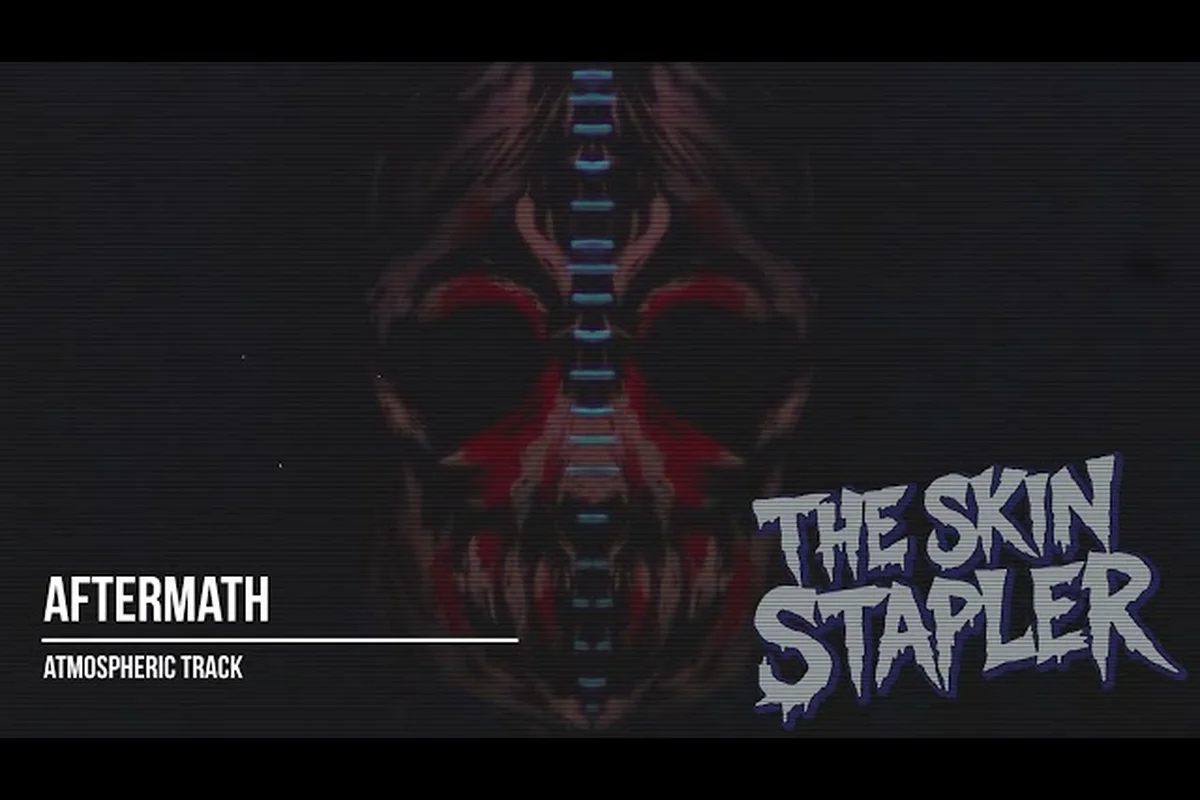
The Skin Stapler ending song has become one of the most discussed pieces of the game since its August 6, 2026 release on Steam, where it currently holds a Very Positive rating across 221 reviews. Players who push through the final confrontation with the skin-stapling killer are rewarded with a credit sequence that does far more than list names, because the track that plays during those final moments carries hidden meaning about the entire story. Understanding what the ending song represents, when it plays, and how it connects to the game's story resolution can transform your appreciation of developer Tainted Pact's grindhouse horror vision.
The game follows burned-out detective Dick Slater and rookie partner Robbie Knox as they hunt a serial killer through the rotting sprawl of Carrion City, and the ending sequence ties every thread together through music. If you have finished the campaign and found yourself wondering about the track that accompanied the credits, or if you are still working through the story and want to know what awaits, this breakdown covers everything from the song's composer to its hidden meaning.
The Skin Stapler Ending Song: What Plays During the Final Credits
The moment the final case closes and the killer's counting rhyme fades, the screen cuts to black and a slow, melancholic synth melody begins. This is the moment players have been waiting for, because the song that accompanies the credits is not just background noise, it is the emotional capstone of the entire Carrion City investigation. The track was composed by Michael Cosio, who handled the full soundtrack for the game, and it weaves together motifs from earlier chapters into a single cohesive piece.
What makes this ending song particularly striking is how it recontextualizes the audio cues you heard throughout the campaign. The distorted voice recordings from the killer's tapes, the ambient drone of the city streets, and the subtle piano notes from detective Slater's apartment all reappear in the ending track, but they are rearranged into something almost hopeful. According to community reports on the official Discord, players who recognized these motifs on their first playthrough reported feeling a stronger emotional connection to the story resolution, because the music essentially summarizes the entire narrative arc without a single word of dialogue.
The Skin Stapler Soundtrack: Composed by Michael Cosio
The full The Skin Stapler soundtrack represents a deliberate creative choice by Tainted Pact to blend PSX-era synth textures with modern composition techniques, creating a soundscape that feels both nostalgic and fresh. Michael Cosio's work on the game draws heavily from the VHS grindhouse aesthetic that defines the visual direction, using tape saturation and analog warmth to make every track feel like it was pulled from a forgotten 1990s horror film.
The ending song specifically stands apart from the rest of the soundtrack because it is the only track that resolves rather than unsettles. Throughout the game, the music keeps you on edge with dissonant intervals and unpredictable rhythms, but the credit theme settles into a minor-key ballad that slowly shifts toward major as the final notes play. This musical transition mirrors the game's narrative shift, because the story resolution offers a glimmer of hope even in the grim reality of Carrion City.
Players who purchase the soundtrack DLC on Steam for S$6.56 get access to the full track list, including the ending song in its complete form. The in-game version fades out during the credits, but the standalone track includes an extended intro and outro that adds roughly forty seconds of additional material, giving listeners a fuller picture of the composition.
| Track Context | Detail | Where You Hear It |
|---|---|---|
| Ending song | Composed by Michael Cosio | Final credits |
| Ambient score | PSX synth + VHS texture | Throughout Carrion City |
| Killer tapes | Distorted voice + music | Story beats |
When the Ending Song Plays: The Credit Scene Breakdown
The The Skin Stapler ending credit scene is structured like a classic grindhouse film, complete with intentional imperfections and stylistic flourishes that pay homage to the genre. When the final cutscene concludes and the credits begin to roll, the ending song starts immediately, but the sequence is broken into distinct segments that each serve a specific narrative purpose. Understanding this structure helps explain why the song feels so impactful, because each segment builds on the last.
The first segment features the song playing over a simple black screen with white text, listing the primary cast and crew. This lasts roughly ninety seconds and gives players time to process the ending they just witnessed. The second segment introduces the full voice cast roll, which is notable because the game features extensive voice work from both main characters and several supporting roles. The third segment is where things get interesting, because it shifts to a series of static-filled images that flash across the screen, each one showing a location from the game in a degraded VHS format.
When the Ending Song Plays: The Credit Scene
The timing of the ending song within the credit scene is carefully calibrated to match the emotional beats of the story resolution. The song's opening notes hit exactly as the screen cuts to black after the final line of dialogue, creating a seamless transition from narrative to reflection. According to player reports, the song's first verse begins as the cast roll appears, and the chorus swells during the location montage, providing a musical climax that mirrors the narrative climax you just experienced.
What many players miss on their first playthrough is that the ending song contains lyrical fragments buried in the mix, barely audible beneath the synth layers. These fragments are distorted versions of the killer's counting rhyme, but they are played in reverse, which some community members have interpreted as a commentary on the cyclical nature of violence in Carrion City. The official Steam page does not confirm this interpretation, but the developer has acknowledged the hidden audio on the Discord server, calling it "an Easter egg for attentive listeners."
The credit scene runs for approximately four minutes and thirty seconds, which is longer than most modern games, and the ending song accounts for nearly all of that runtime. This extended length is a deliberate choice, because it forces players to sit with the story resolution rather than immediately skipping to the main menu. The game does not allow you to skip the credits on your first playthrough, which has frustrated some players but delighted others who appreciate the artistic commitment.
| Credit Scene Element | What Happens | Significance |
|---|---|---|
| Song plays | Ending theme | Emotional close |
| Cast roll | Full voice cast | Credits |
| Epilogue text | Final punchline | Grindhouse tone |
How the Song Reinforces the Story Resolution
The connection between the ending song and the game's story resolution goes beyond simple thematic matching, because the music actually contains structural elements that mirror the narrative's key revelations. The song is built around a repeating two-note motif that represents the killer's counting rhyme, and this motif appears in different forms throughout the track, sometimes distorted, sometimes clear, and sometimes played by different instruments. This musical device mirrors how the truth about the killer is revealed in pieces throughout the investigation.
The story resolution of The Skin Stapler involves detective Dick Slater discovering that the killer's identity is connected to his own past, a revelation that recontextualizes every case he has worked in Carrion City. The ending song reflects this by opening with the same musical cues from the game's first chapter, then gradually introducing new elements as the track progresses. By the final minute of the song, the original motifs have been transformed so completely that they are barely recognizable, which mirrors how Slater's understanding of the case transforms by the end.
How the Song Reinforces the Story Resolution
Players who have completed multiple The Skin Stapler endings report that the song takes on different meanings depending on which ending you achieve. The game features multiple endings based on choices made during the final confrontation, and while the song itself does not change, the context of the story resolution shifts how you interpret the lyrics and motifs. According to community discussions, players who achieved the darker endings found the song more melancholic, while those who achieved the more hopeful ending heard the major-key resolution more clearly.
The song's structure also reinforces the game's themes of memory and trauma, because it uses musical callbacks to earlier chapters that trigger emotional recognition. When the piano motif from Slater's apartment appears in the ending song, it serves as a reminder of his isolation and vulnerability, while the city's ambient drone reminds you of the broader context of corruption that surrounds the investigation. These callbacks are not random, because each one corresponds to a specific story beat that contributes to the overall narrative arc.
For players who want to understand the full depth of the story resolution, listening to the ending song with headphones is strongly recommended, because the stereo mixing places different motifs in different channels. The killer's counting rhyme appears in the left channel, while Slater's piano motif appears in the right, and when the two converge in the final chorus, they create a single unified melody that represents the resolution of the central conflict.
The Epilogue: What Comes After the Credits
After the ending song fades and the final credits finish rolling, The Skin Stapler presents a brief epilogue that has generated significant discussion among players. This epilogue is not a playable section, but rather a text-based sequence that appears on screen, accompanied by a stripped-down instrumental version of the ending song. The epilogue text delivers the game's final punchline, a darkly humorous line that perfectly captures the grindhouse tone that defines the entire experience.
The epilogue reveals what happens to the surviving characters after the investigation concludes, and it does so with the same deadpan delivery that characterizes the game's writing throughout. Detective Slater's fate is left somewhat ambiguous, while Robbie Knox receives a more definitive resolution, and the epilogue text manages to be both satisfying and unsettling in equal measure. The stripped-down instrumental that plays during this sequence removes the synth layers from the ending song, leaving only the piano and a subtle ambient drone, which creates an intimate atmosphere that contrasts with the fuller arrangement during the credits.
The Epilogue: What Comes After the Credits
The epilogue sequence runs for approximately two minutes, and during this time, the screen displays text over a slowly panning shot of Carrion City at dawn. This is the first time in the game that the city is shown in daylight, and the visual shift reinforces the sense of closure that the story resolution provides. The dawn imagery combined with the stripped-down ending song creates a bittersweet tone, because while the investigation is over, the city's underlying corruption remains.
Community reports indicate that the epilogue contains a hidden detail that many players miss on their first viewing. During the final ten seconds of the epilogue, the camera pans past a window where a figure can be seen, and this figure is the killer's first victim, alive and seemingly unharmed. This detail has sparked extensive theorizing on the official Discord, with some players interpreting it as confirmation that the killer's victims were not all killed, while others see it as a deliberate ambiguity that fits the game's grindhouse aesthetic.
The epilogue also sets up potential sequel hooks, because the final line of text references an unsolved case file that "remains open in the precinct archives." This has led to speculation about future content, although the developer has not officially confirmed any DLC or sequel plans as of August 2026. The ending song's final notes play over this text, and the track ends on an unresolved chord, which some players interpret as a musical representation of the open case file.
| Way to Hear the Song | Platform | Price |
|---|---|---|
| Soundtrack DLC | Steam | S$6.56 |
| GOG soundtrack | GOG | Bundle option |
| In-game credits | Any ending | Included |
Listening to the Ending Song: The Soundtrack DLC
For players who want to experience the ending song outside of the game, the The Skin Stapler soundtrack DLC is available on Steam at a price point of S$6.56, which includes the full track list from the game. The DLC contains eighteen tracks in total, including the ending song, the ambient city score, and the distorted killer tapes that appear throughout the campaign. According to the Steam store page, the soundtrack is available in both MP3 and FLAC formats, giving audiophiles the option to hear the PSX synth textures in lossless quality.
The soundtrack DLC also includes three bonus tracks that do not appear in the game itself, including an extended version of the ending song that runs nearly two minutes longer than the in-game version. This extended version includes a full verse that was cut from the final game, and it provides additional context for the song's meaning. The bonus tracks have been praised by community members for expanding the world of Carrion City beyond what is shown in the campaign.
Listening to the Ending Song: The Soundtrack DLC
The GOG version of The Skin Stapler offers the soundtrack as a bundle option, allowing players to purchase the game and soundtrack together at a discounted price. This bundle has proven popular among players who want to support the developer while also getting the full audio experience, and it represents a better value than purchasing the game and soundtrack separately. The GOG version also includes the soundtrack in DRM-free format, which some players prefer for archival purposes.
Players who do not want to purchase the soundtrack DLC can still hear the ending song in its full form by replaying the final chapter and sitting through the credits again. The song is identical on every playthrough, regardless of which ending you achieve, which means that players who want to hear the track multiple times can do so without additional cost. The game also includes a juke box feature in the main menu that unlocks after completing the campaign, allowing players to listen to any track from the soundtrack, including the ending song, at any time.
The ending song has also been uploaded to YouTube by various community members, although the official upload from Tainted Pact Games remains the highest quality version available. The official gameplay trailer on the developer's channel features a portion of the ending song in its background, giving players a preview of the track before they reach the credits. According to community reports, the ending song has become one of the most requested tracks from the game, with several players citing it as their favorite piece of music from the entire soundtrack.
The Skin Stapler Endings and the Song's Role in Each
The game features multiple endings that players can achieve based on choices made during the final confrontation, and the ending song plays during the credits for each one. However, the context of the story resolution differs significantly between endings, which changes how the song feels even though the track itself remains identical. Understanding the different endings helps explain why the song has resonated so strongly with players, because it serves as a constant emotional anchor across multiple narrative outcomes.
The primary distinction between endings comes down to how you handle the final confrontation with the killer, and the choices you make during the investigation chapters leading up to that moment. Players who make certain choices during the investigation will unlock different dialogue options in the final confrontation, which can lead to different outcomes for the characters involved. The ending analysis guide provides a detailed breakdown of how these choices affect the narrative, and it is worth reading if you want to understand the full scope of the story resolution.
The ending explained guide covers all of the endings in detail, including the conditions required to achieve each one and the narrative implications of each outcome. According to community data, the majority of players achieve the standard ending on their first playthrough, with the alternate endings requiring specific choices that are easy to miss. The ending song serves as a unifying element across all of these endings, because it provides the same emotional conclusion regardless of which narrative path you took.
For players who are still working through the campaign and have not yet reached the credits, the walkthrough part 1 guide can help you progress through the early chapters efficiently. The walkthrough covers all of the investigation mechanics and puzzle solutions, ensuring that you do not get stuck before reaching the story resolution. Once you finish the campaign, you can return to this article to understand the ending song's full significance.
Frequently Asked Questions
What is the name of The Skin Stapler ending song?
The ending song is an original composition by Michael Cosio created specifically for the game, with no standalone title. On the Steam soundtrack DLC, the track is listed simply as "Ending Theme," though players often call it "Carrion City Dawn" after the epilogue's imagery.
Does the ending song change depending on which ending I get?
No, the ending song itself is identical across all of the game's endings, because the track was composed as a single piece that plays during the credits regardless of narrative outcome. However, the context of the story resolution changes how the song feels, since the emotional weight of the ending affects your interpretation of the music.
Can I listen to the ending song without finishing the game?
Yes, the juke box feature unlocks in the main menu after you complete the campaign, allowing you to listen to any track from the soundtrack, including the ending song. You can also purchase the soundtrack DLC on Steam for S$6.56 to access the full track list outside of the game.
Is the ending song available on streaming platforms?
As of August 2026, the soundtrack has not been officially released on major streaming platforms like Spotify or Apple Music. The only official ways to hear the ending song are through the in-game juke box, the Steam soundtrack DLC, or the GOG bundle option.
Does the ending song contain hidden messages?
Yes—the ending song contains reversed audio fragments of the killer's counting rhyme, buried under the synth layers and only audible with headphones. Developer confirmed this on Discord as an intentional Easter egg. The fragments hint at the rhyme's final line, which foreshadows the true survivor count.