
Locations
Explore the neon-lit decay of Carrion City in The Skin Stapler — crime scenes, homes, workplaces and dark city streets that hide the killer's secrets.
Introduction
The Locations hub maps the world of The Skin Stapler: Carrion City, the rotting, crime-soaked 1980s sprawl where every case unfolds. The game is not a large open world — it is a tight, story-driven adventure — but its locations are memorable and atmospheric. Crime scenes serve as the killer's gruesome galleries of skinned victims and stapled flesh, while homes and workplaces show how the horror intrudes on everyday life. Dark city streets connect these spaces, lit by neon and hiding secrets in the shadows. These guides cover the major locations, how exploration works, where the hidden spots sit and what atmosphere and story beats each place contributes to the investigation.
Key Locations of Carrion City
| Location | Type | Why It Matters |
|---|---|---|
| Carrion City | City | The rotting 1980s sprawl where the whole case unfolds |
| Crime Scenes | Scene | The killer's galleries of skinned victims |
| Homes & Workplaces | Interior | Everyday spaces where victims are stalked |
| Dark Streets | Street | Neon-lit alleys hiding secrets |
| Hidden Spots | Hidden | Optional areas for completionists |
Key Locations
Carrion City
The rotting, crime-soaked 1980s sprawl that gives the game its identity and its name.
Crime Scenes
The killer's gruesome galleries of skinned victims and stapled flesh — the heart of the investigation.
Homes & Workplaces
The everyday interiors where victims are stalked during a not-so-ordinary shift.
Dark City Streets
The neon-lit alleys and back streets that connect Carrion City and hide its secrets.
Hidden Spots
The optional locations for completionists and lore hunters who look beyond the obvious.
Core Mechanics
Exploration in The Skin Stapler is linear but rewarding. You move between fixed locations as the story demands, with each chapter introducing new scenes to investigate. The game's atmosphere does a lot of the work — every location is designed to feel lived-in and rotten, from the flickering neon of the streets to the grimy interiors where victims meet their end. Exploration is mostly about searching crime scenes for evidence, but there are optional hidden spots that reward players who look beyond the obvious path. Understanding how the city is structured helps you know what to expect from each location type and where the hidden content tends to hide.
Advantages
A location guide helps you appreciate the craft of Carrion City and find everything the game has hidden beneath its grimy surface. Each location serves a clear story purpose — the crime scenes escalate in grisliness as the rhyme advances, the interiors show the killer intruding on ordinary life, and the neon streets tie the whole city together as a character in its own right. Knowing what each area contributes lets you absorb the atmosphere instead of rushing through it to the next objective. For completionists, the hidden spots and optional locations are essential, since several are easy to miss entirely on a first playthrough focused purely on the main story, and the guide maps exactly where they sit and what they hide.
Challenges
The full list of named locations is not officially published at launch, so parts of this guide are based on community playthroughs and may not be officially confirmed. The game is linear, so there is no free exploration of Carrion City as a whole — you visit the locations the story takes you to, and some atmospheric corners exist mostly for flavour rather than actual content. Players looking for a large explorable map may be disappointed; The Skin Stapler's strength is atmosphere and pacing, not open-world scale, and the location list reflects the game's compact, curated design rather than a sprawling city you can wander at will.
Frequently Asked Questions
Is Carrion City a fully explorable open world?+
What are the crime scenes like in the game?+
Are there hidden locations to find?+
Quick Tips
Treat every location as a character, because Carrion City's grimy, neon-lit atmosphere is half the game — slow down, look around and let the environment tell you what kind of place you have walked into before you start hunting for clues. The city's neon signs and grimy textures are part of the PSX grindhouse style the developer carefully crafted, so pausing to look around is how you appreciate the art direction.
Revisit key locations after major story beats, because hidden items and hidden spots frequently open up once the case advances, and the game gives no map markers for them, so a quick second sweep of an old crime scene often reveals what was invisible the first time. A quick second sweep of a crime scene after the case moves forward often reveals what was invisible the first time, so get into the habit of revisiting rather than assuming you saw everything.
Note the crime scenes as you go, because their escalation tracks the killer's counting rhyme and gives you a natural sense of how close the investigation is to its endgame — the grisliness of each new scene is the game's own progress bar. The rhyme and the grisliness escalate together, so the locations themselves tell you how close the story is to its climax and when to expect the next big set piece.
Featured

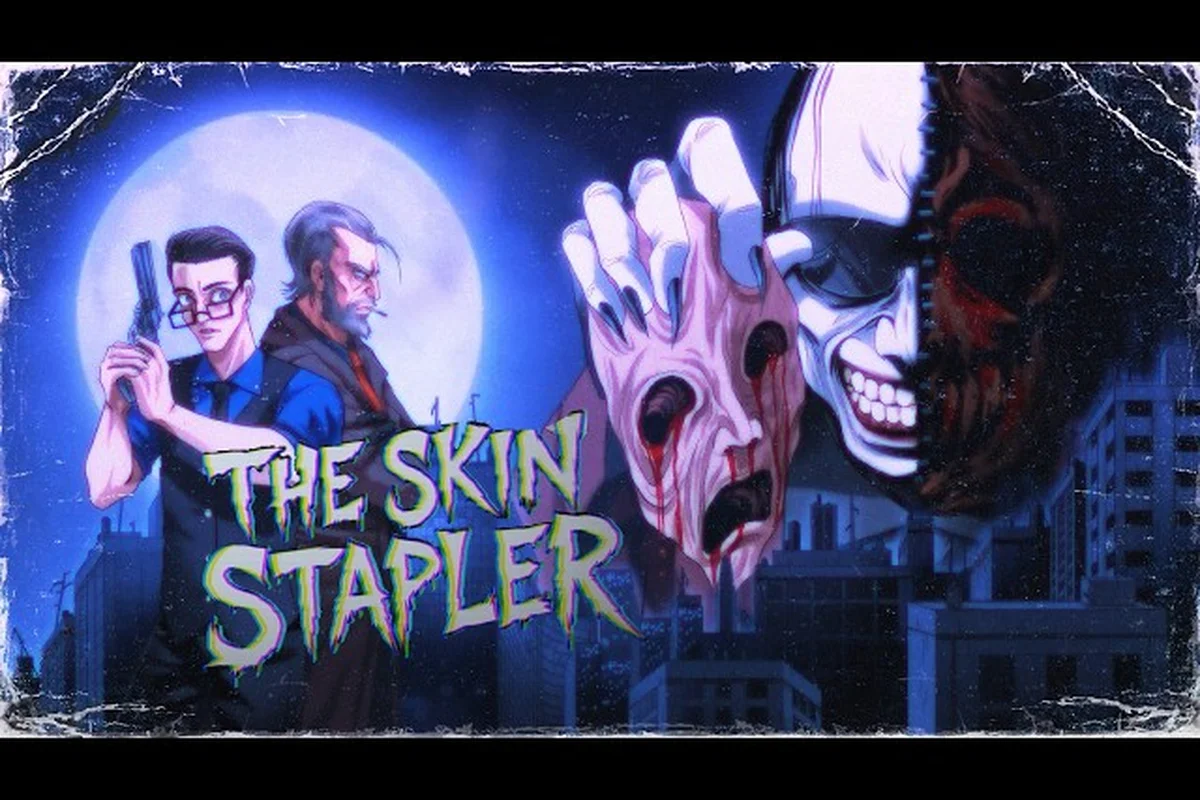
The Skin Stapler Carrion City: Complete Map & 14 Zones
Explore every corner of The Skin Stapler Carrion City with this complete map guide, covering all 14 zones and hidden locations in the 1980s setting.
The Skin Stapler Crime Scene Locations: 9 Sites Mapped
Find every investigation spot with The Skin Stapler crime scene locations guide, mapping all 9 crime scenes from houses to dark city streets.

The Skin Stapler Districts Guide: 7 Zones & Hidden Spots
Navigate all 7 districts of Carrion City with this map guide, revealing hidden spots, landmarks, and secret areas to explore in the PSX horror adventure.
All Articles

The Skin Stapler Downtown Carrion City: Neon Alley Guide
Explore Downtown Carrion City with this area guide mapping zones, hidden spots, and key locations to master the neon-drenched horror setting.

The Skin Stapler Interior Locations: Police, Bars & Clubs
Master every interior location in The Skin Stapler, from police precincts to bars and clubs, with maps and entry tips for each building in Carrion City.
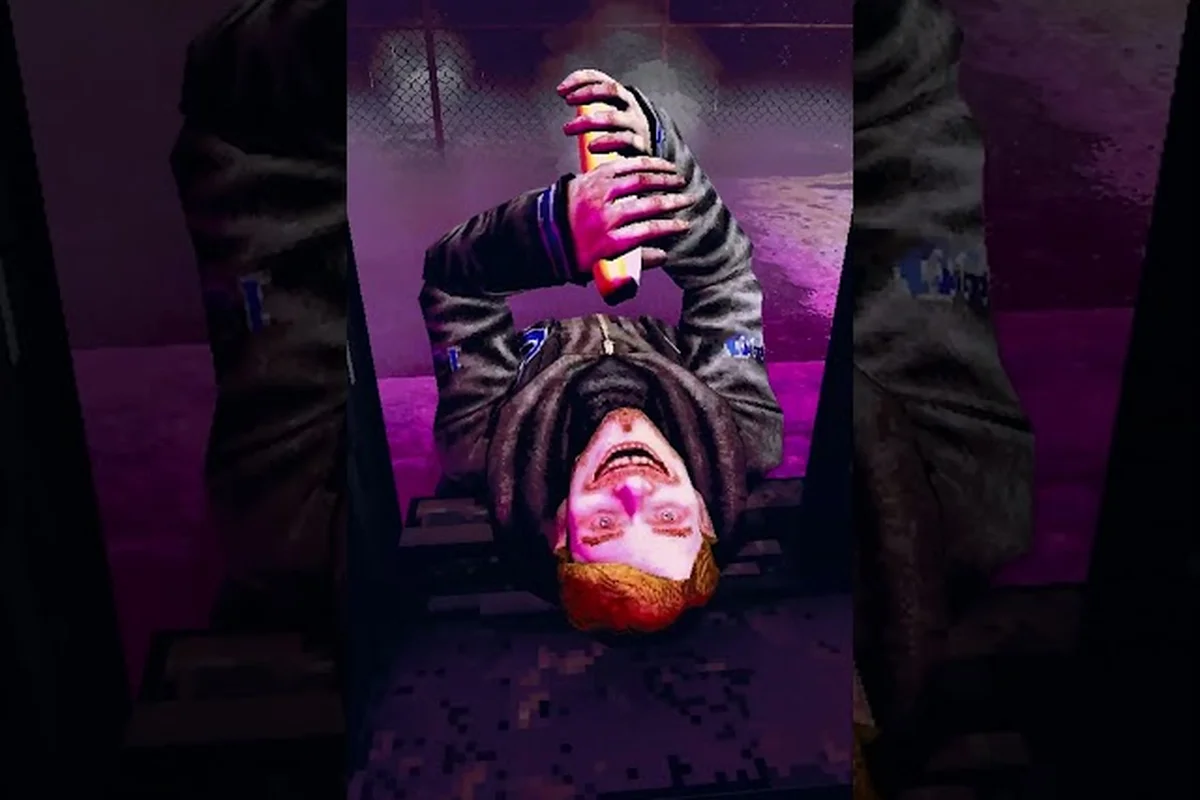
The Skin Stapler Scenic Spots: 2026 Map & Neighborhoods
Find every picturesque locale with The Skin Stapler scenic spots guide, detailing neighborhoods and map highlights for the 2026 horror game.